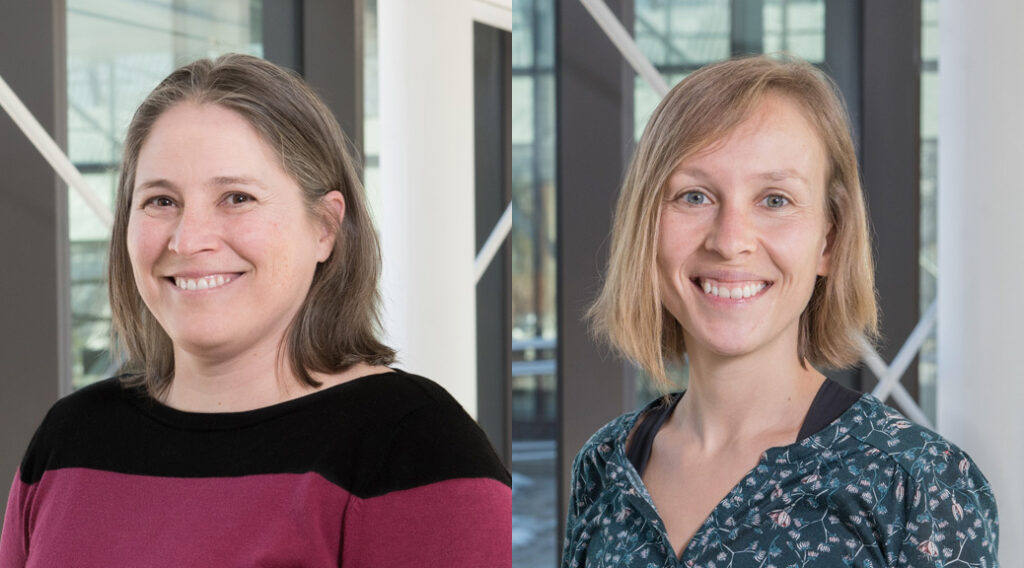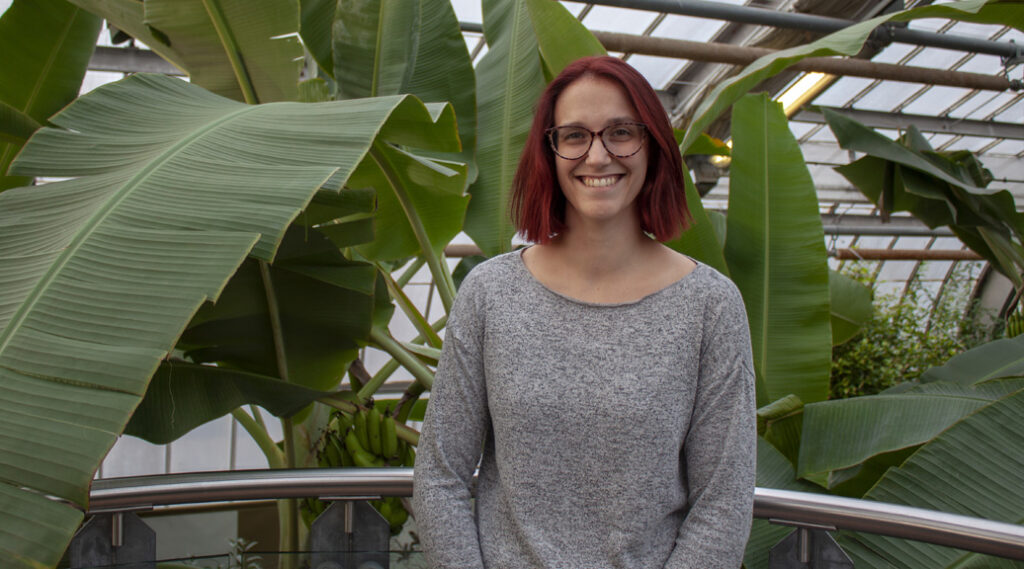

Malek Kalboussi is the 2025 recipient of the Marie-Victorin scholarship. Since 2022, she has been enrolled in a doctoral program under the supervision of Colin Favret, professor in the department of biological sciences at the Université de Montréal and researcher at the IRBV. She is co-supervised by Annie-Ève Gagnon, a researcher at Agriculture and Agri-Food Canada, where she conducts studies in conservation biological control.
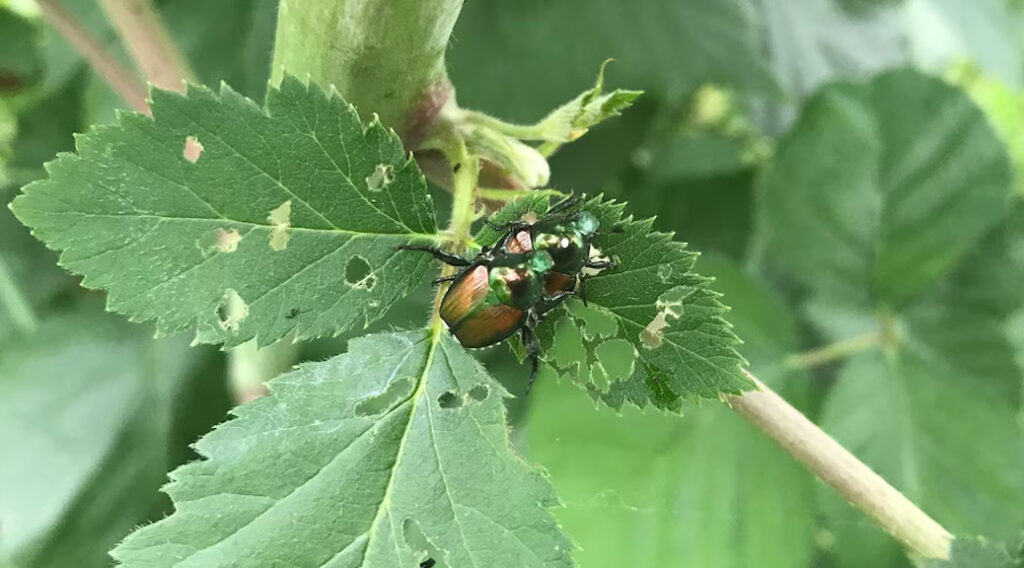
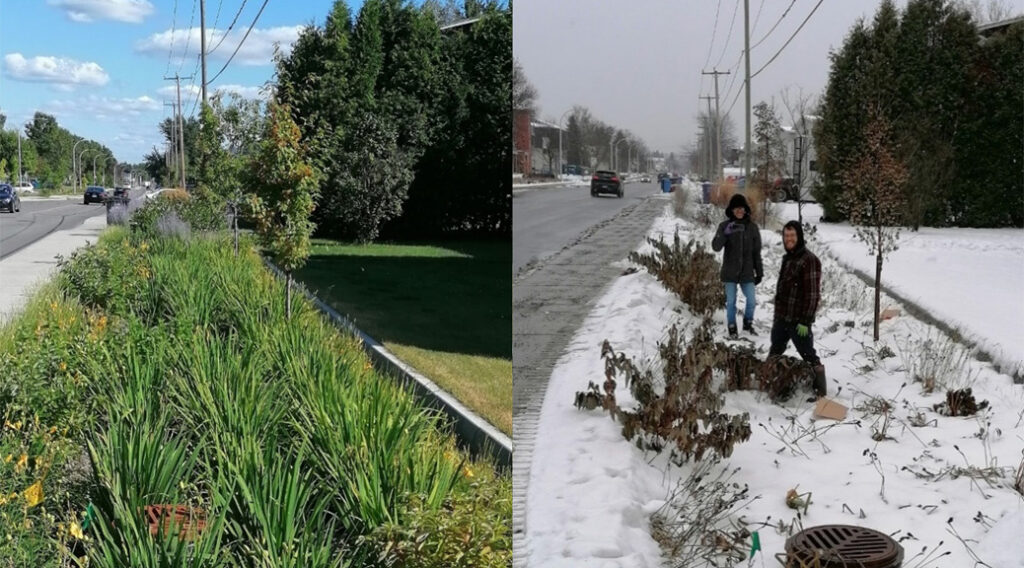
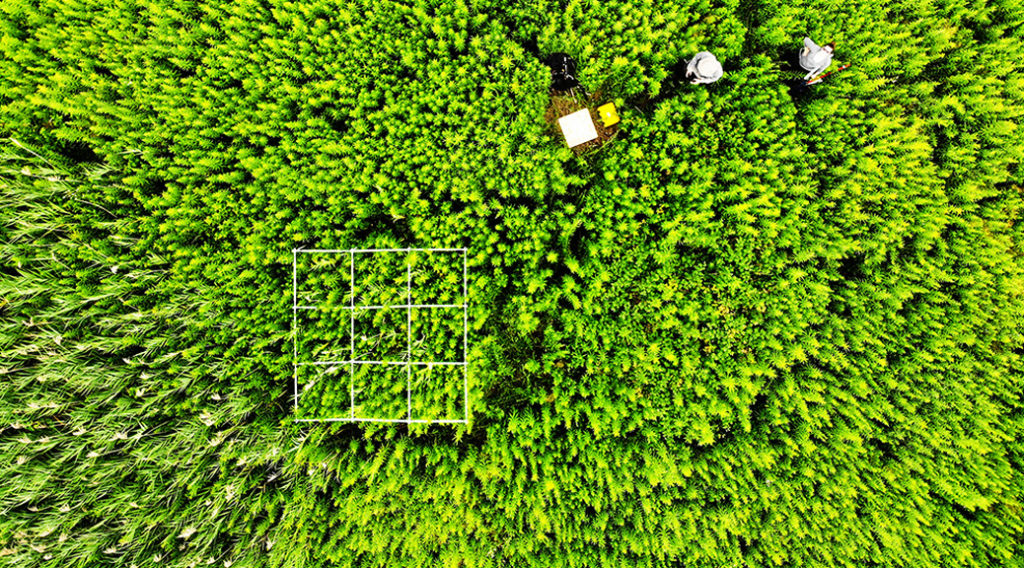
Her doctoral project focuses on quantitative genetics to assess the effects of flowering strips on the richness and abundance of arthropods as well as on their trophic diversity in lettuce crops in Quebec.
Malek Kalboussi began her master’s studies remotely, preparing her literature review and research proposal while still in Tunisia. Upon arriving in Canada in January 2021, she immediately got to work. Her ability to read and assimilate scientific literature is unparalleled. Malek quickly adapted to the Quebec university culture. She mastered several molecular protocols, comparing their effectiveness and cost, and refined the implementation of a low-cost DNA barcoding method. Her master’s research assessed the molecular diversity of natural insect enemies, primarily parasitoid wasps, found in forest habitats.
During her doctoral studies, Malek continued her research by evaluating the effectiveness of flower strips in conservation biological control. She applies the molecular methods of insect diversity developed during her master’s degree to measure the diversity of natural enemies of lettuce pests attracted to different flower strips. While her master’s work focused on DNA barcoding of individual specimens, her doctoral research focuses on developing methods to quantify the diversity of bulk samples (captured in Malaise traps, for example). In addition to documenting the diversity and abundance of natural enemies, for example by publishing a checklist of barcoded hoverfly species, Malek uses metabarcoding methods to study predator-prey interactions. By identifying both predators and their prey, she assesses whether the natural enemies attracted to the flower strips actually lead to mortality of key lettuce pests.
Malek is so competent in the molecular laboratory that her director, Colin Favret, frequently entrusts her with the training and supervision of undergraduate and graduate students. She is a team leader who manages her research program brilliantly!
Not only does Malek Kalboussi excel in laboratory work and literature review, but she also knows how to teach computer methods herself. Tasked with integrating beta biodiversity analysis into her project, Malek mastered the scripting of several R packages in just two short weeks. A self-taught individual, she quickly surpassed the skills of several students with formal training.
Ms. Kalboussi facilitates an ideal collaboration between an insect diversity laboratory and an applied agricultural entomology laboratory, a perfect combination for research on conservation biological control.
She has already accumulated several scholarships, distinctions and awards, both in Canada and internationally. With several articles published in excellent scientific journals, presentations at conferences and a multitude of social involvements (committee, popularization, jury, mentoring), Malek demonstrates great scientific maturity, supported by unwavering resilience.